Why Do Bull Riders Wear Chaps for Safety and Comfort
Bull riding is widely regarded as one of the most exhilarating and high-risk sports in the rodeo world. Riders face enormous physical challenges, contending with bulls that can weigh over a thousand pounds and execute unpredictable, powerful movements. Each ride is not just a test of skill and balance but also a demonstration of courage and precision. To navigate these challenges safely, riders rely on specialized equipment designed to protect their bodies while enhancing control and performance. Among the most iconic and essential of these items is the chaps, particularly the leather chap, which has been a staple of rodeo gear for generations.For those new to the sport, a common question arises: why do bull riders wear chaps? Beyond their striking appearance, chaps serve multiple vital functions. They provide protection against scrapes, bruises, and rope burns while also improving the rider’s grip and stability on the bull. Additionally, chaps carry deep cultural and historical significance within the rodeo community, symbolizing both tradition and professional expertise. This article delves into the practical benefits, safety features, and heritage behind wearing chaps, giving readers a comprehensive understanding of why this piece of gear is indispensable for any bull rider.
The History of Bull Riding Chaps
Chaps have a rich history rooted in the early cowboy culture of the Americas. The term “chaparreras” comes from Spanish ranching traditions, referring to leather coverings worn over pants to protect riders from thorny brush, rough terrain, and cattle-related hazards. Originally, these chaps were purely functional, made from thick leather to shield the legs during long days on the ranch. As ranching practices spread across North America, chaps became more than protective gear—they evolved into a symbol of the rugged cowboy lifestyle, representing courage, skill, and independence. Early chaps were simple in design but incredibly durable, ensuring that riders could handle harsh environments while maintaining mobility.
By the 19th century, chaps had become essential in rodeo sports, particularly bull riding, where the stakes were even higher. Riders needed protection from powerful, unpredictable bulls, and chaps offered the perfect combination of durability and flexibility. Over time, the design evolved to include fringes, decorative embossing, and softer leathers, balancing safety with style. Modern leather chaps still honor this heritage, incorporating reinforced stitching and ergonomic cuts to protect riders while allowing full freedom of movement. Today, chaps continue to serve as both practical safety gear and a cultural symbol, connecting modern bull riders to centuries of cowboy tradition.
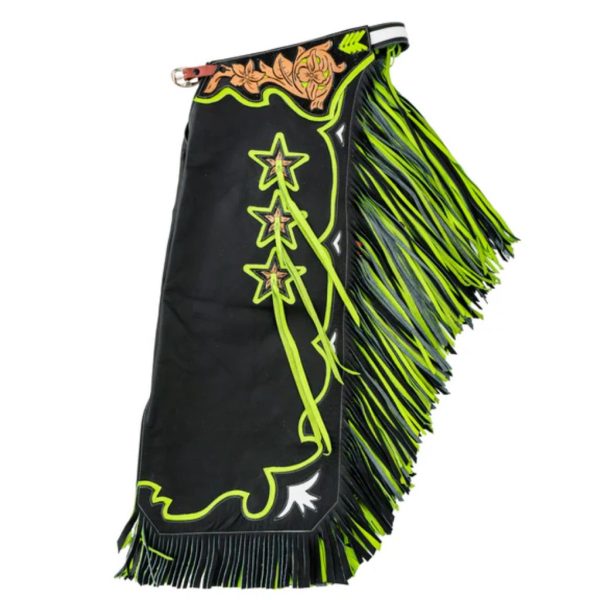
Why Do Bull Riders Wear Chaps?
Bull riding is a high-risk sport, and chaps are essential for protecting riders’ legs from scrapes, rope burns, and impacts. A good leather chap provides cushioning, improves grip, and allows freedom of movement, helping riders stay confident and balanced during intense rides.
Key Reasons Bull Riders Wear Chaps:
- Protection from abrasions and cuts: Thick leather absorbs friction and prevents painful scrapes when a rider’s legs rub against the bull’s hide or rope.
- Impact cushioning: Chaps help soften the force from kicks, twists, or falls, reducing the severity of bruises and potential injuries.
- Enhanced grip and stability: The texture of leather provides additional traction, helping riders maintain balance during sudden movements or spins.
- Rope burn prevention: A leather chap acts as a barrier against the bull rope, minimizing painful rope burns around the thighs and hips.
- Support and leg stability: Properly fitted chaps help distribute weight evenly, supporting the rider’s legs and reducing fatigue during intense rides.
- Comfort without restriction: Designed to move with the rider, chaps allow bending, twisting, and gripping the bull while ensuring protection.
- Tradition and confidence: Beyond physical benefits, chaps connect riders to rodeo heritage, boosting confidence and mental focus during the ride.
Safety Benefits of Wearing Chaps
The most obvious reason bull riders wear chaps is safety. The sport’s inherent risks—kicks, falls, and collisions—mean protective gear is non-negotiable.
- Reducing abrasions: A rider’s legs are constantly in contact with the bull. Chaps prevent severe scratches and painful skin burns.
- Cushioning impact: During a fall or sudden spin, chaps provide padding against the ground or bull, mitigating injury.
- Preventing rope burns: The rope around a bull’s flank can cause friction injuries. Chaps act as a protective barrier, reducing rope burns on thighs and hips.
- Leg stability: A secure fit of the chap supports leg muscles, helping riders maintain balance on a bucking bull.
Each of these points highlights how chaps contribute not only to injury prevention but also to performance efficiency.
Comfort: A Critical Factor
Protection alone isn’t enough. Bull riding is an intensely physical sport, and discomfort can distract a rider or hinder performance. High-quality leather chap are designed to maximize comfort while providing safety. At the same time, reinforced stitching and durable leather ensure long-lasting protection during every ride, making them both functional and comfortable.
- Flexible fit: Adjustable straps, tailored cuts, and soft linings allow chaps to move with the rider’s body.
- Breathable design: Leather, while protective, can be heavy and hot. Ventilated designs prevent overheating during long rides or competitions.
- Weight distribution: Properly designed chaps distribute weight evenly across the thighs and hips, reducing fatigue.
- Freedom of movement: Even thick leather chaps allow riders to bend knees, twist, and grip the bull, ensuring they aren’t restricted in motion.
A rider who feels comfortable is more likely to stay confident and focused, highlighting why comfort is as important as protection.
Symbol of Tradition and Style
Chaps are not just functional—they carry deep cultural and stylistic significance, reflecting the rich heritage of rodeo and cowboy life:
- Rodeo Identity: A pair of chaps is more than protective gear; it represents a rider’s dedication and commitment to the sport. Custom designs, fringe patterns, and detailed embossing allow each rider to showcase their personal style and stand out in competitions.
- Visual Appeal: In rodeo arenas, chaps are a centerpiece of a rider’s outfit. Elaborate designs, bright colors, and flowing fringes add flair and movement during every ride, creating a visually striking impression for judges and spectators alike.
- Connection to Cowboy Culture: Wearing chaps connects modern riders to the historical traditions of cowboys and ranch life. It honors the legacy of those who rode long hours on rugged terrain, combining functionality with a timeless symbol of Western heritage.
How to Choose the Right Chaps
Selecting the ideal pair of chaps requires attention to detail, fit, and riding style. Several factors influence a rider’s choice:
- Size and fit: Fitting chaps can cause chafing or restrict movement. Riders should measure waist, hips, thighs, and inseam accurately.
- Leather type: Premium cowhide or buffalo leather provides durability and flexibility. Some riders may prefer softer leather for comfort, but it may offer slightly less protection.
- Riding style: Saddle bronc riders and bull riders may select different lengths, thickness, and fringe styles depending on how they ride and their preferred mobility.
- Personal style: While safety is priority, many riders use chaps to express individuality with custom tooling, embroidery, or color.
Proper selection ensures that riders maximize safety, comfort, and performance on every ride.
Caring for Leather Chaps
Maintaining a leather chap is crucial to prolong its lifespan and ensure it continues providing safety and comfort.
- Regular cleaning: Dust, sweat, and mud can degrade leather. Wipe chaps with a damp cloth after each ride.
- Leather conditioner: Applying conditioner keeps the leather supple, prevents cracking, and maintains flexibility.
- Storage: Store chaps in a cool, dry place, away from direct sunlight or moisture. Hanging them properly prevents wrinkles and deformities.
- Inspection: Regularly check for stitching damage or worn areas, which can compromise protection.
Proper maintenance not only ensures longevity but also maintains the protective quality of the chaps.
Conclusion
So, why do bull riders wear chaps? The answer is multi-layered: they protect against injury, enhance grip and comfort, and reflect rodeo tradition. A leather chap is more than just a piece of clothing—it is an essential tool that combines functionality with style. Whether you’re a beginner learning the ropes or a seasoned professional performing in competitive arenas, chaps remain a rider’s trusted companion, ensuring safety, confidence, and a touch of Western flair.
Investing in quality chaps, understanding their purpose, and caring for them properly ensures that every ride is as safe and enjoyable as possible. Ultimately, the chaps are not just worn—they are earned through respect for the sport and dedication to skillful, courageous riding.